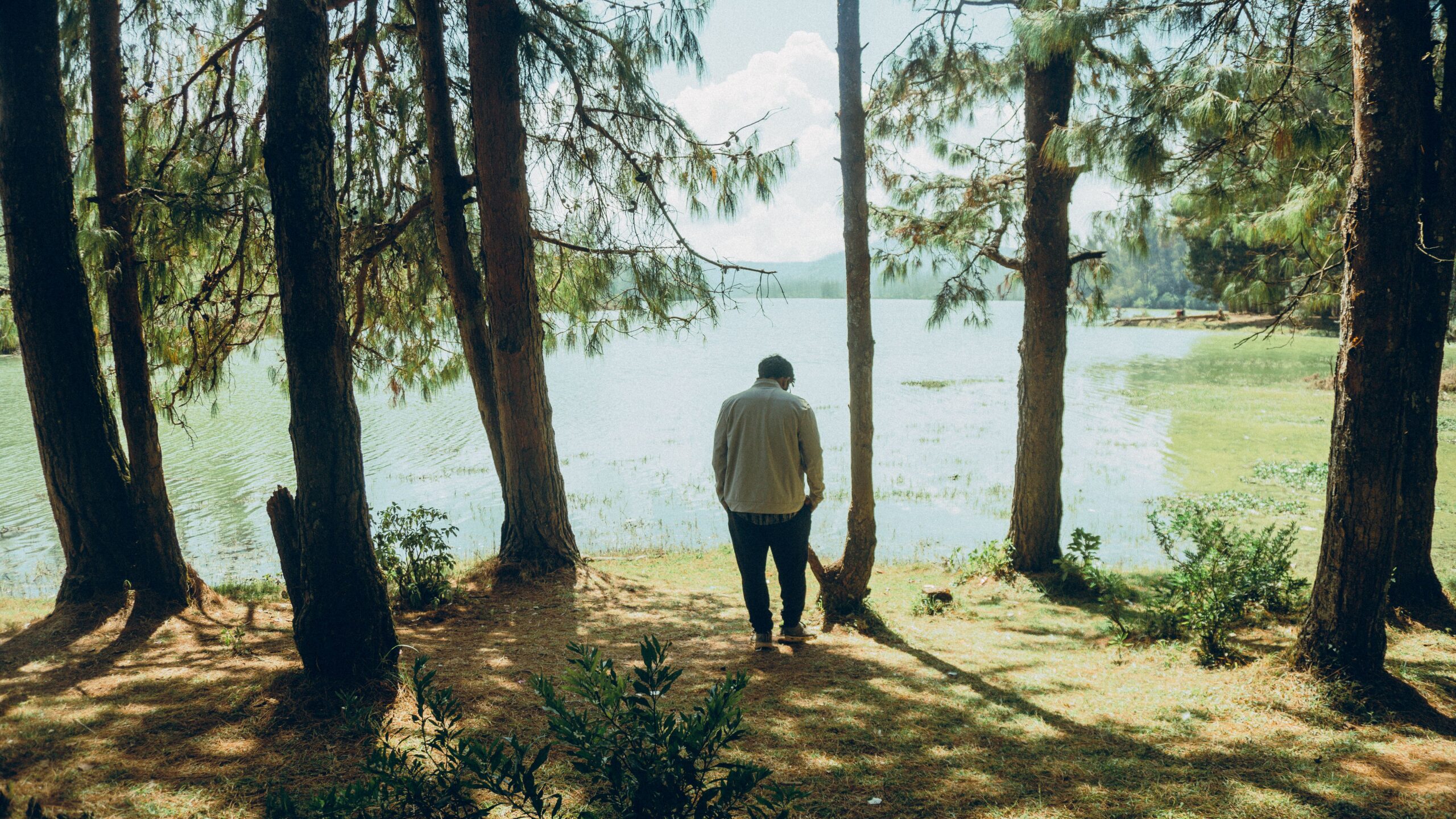

Last week, I got an full immersion experience into what it means to work at the edge of my comfort zone and expand into my yesses.
When I was invited to be a guest on Marianne Combs’ show on Minnesota Public Radio along with Resmaa Menakem to talk about anger in the public sphere, I responded with an enthusiastic yes.
And then terror set it.
What exactly had I just agreed to?
A live show, with callers and live questions? Was I crazy?
I had never met Marianne before. Nor Resmaa. I knew nothing about being live on radio.
My mind began whirring.
What if I say something stupid? (LIVE.)
What if I can’t answer a question on the air?
What if they ask me things that I know nothing about?
What if … what if … what if.
In classically NVC terms, let’s just say that my needs for security, predictability and safety were decidedly unmet.
As I was driving to the MPR studios in downtown St. Paul, I wondered out loud, shaking my head, what on earth I was thinking when I said yes?
I reminded myself:
- Working at the edge of my comfort zone brings me alive.
- I enjoy experiences that I can expand into. Experiences that I am not quite ready for yet, but dive into anyway. They serve my growth. I love learning.
- I know myself well enough by now to trust myself to stay real (and not get lost in performance anxiety), to hold all things I think I “know” lightly and for now, to be willing to be wrong, willing to be exposed, willing to risk looking like a fool – trusting to my core that if I can just show up and be real, that it will be good enough.
If I had to wait until I felt “ready” before diving into life, I’d still be sitting on the sidelines. A quote in my office reads, “Everything you want is on the other side of fear.”
So, my invitation to each of you this week is to…
- Take more risks
- Say YES to something that you find scary
- Work at the edge of your own comfort zones
- And expand your own capacities in ways that feel meaningful to you.
Finally, if you’d like to listen to the interview on MPR, here is a link!
We talk about the definitions and anatomy of anger, ways of slowing down and working with anger, how anger can be fuel for positive change, and some of the racial, gendered and political nuances associated with anger.
I’d love to know what risks you are taking these days, and what follow up questions and ideas you have about the interview on anger if you do happen to listen! Leave a comment below.