

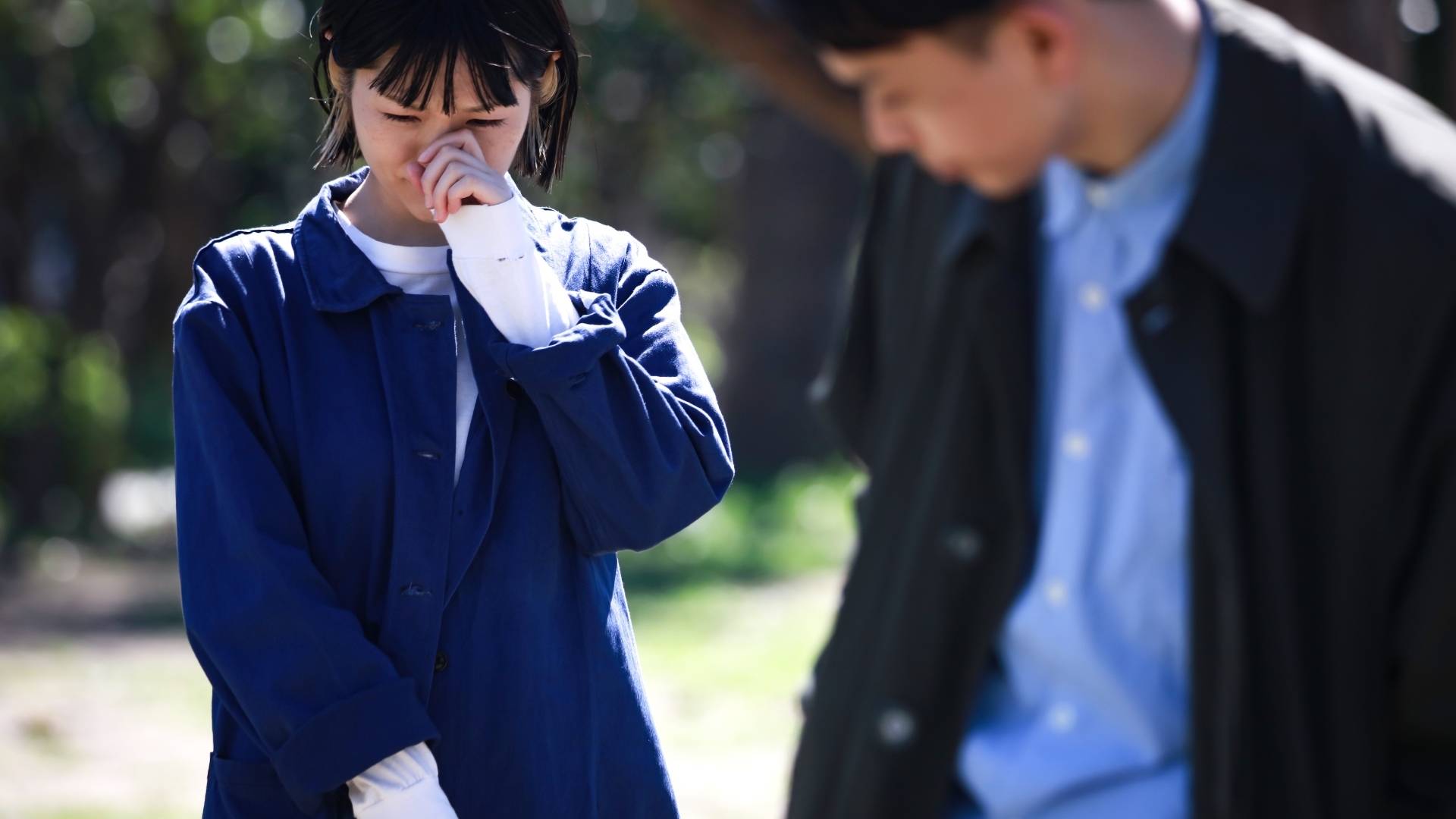
What happens when you perceive a threat or feel hurt or triggered? Are you able to stay choiceful and conscious when your psychological and emotional defenses come powerfully online?
Often people tell me some version of “I wish I didn’t get so defensive.” It seems that we assume that our defenses are the problem and that the mastery of relationship means being open to everything that comes our way, no matter how painful or activating.
Our defenses are not the problem.
Healthy relationships integrate a balance of both empathy and protective boundaries. The work of conscious, compassionate connection does not require dropping our psychological defenses but rather relating to them skillfully and intentionally.
This week I want to share a short audio clip from a recent member call about how to begin to map out and understand your own unique psychological defensive systems. Knowing what tends to happen in you when confronted with difficult moments can help you navigate those moments skillfully. You can welcome, rather than judge or reject, your own defenses that come up to support your experience.
What contemplative mindfulness practices have been helpful to you? What helps you get your wise, witnessing self online?
Take some time this week to track what is happening both inside and outside of you, and to map out your own intelligent, caring, self-protective moves.
Activity
List and embrace your primary defensive patterns.
-
When I’m scared I tend to [for example: withdraw, shutdown, lash-out, argue, explain, criticize, judge…] and I’m grateful for this capacity.
-
When I’m angry, I tend to…
-
When I’m triggered, I tend to…
-
When I feel hurt, I tend to…
-
When I judge myself or my partner, I tend to…
When you trust your ability to keep yourself safe in all moments, you will have more capacity to stay present and relational. Knowing that you can ultimately manage your own boundaries and defenses, you can let whatever is happening unfold without needing to control or change it. Having befriended our defenses, they are powerful tools that serve us, not obstacles in our way.
WANT TO GO DEEPER IN THIS WORK?
Here are a few of my programs that might be of interest to you:
-
Conversations from the Heart, a free Q&A call on Wednesdays at 10am CT. LEARN MORE
-
Membership, a deep dive into personal growth with a dedicated community. LEARN MORE
-
Private Consultations, one-on-one guidance for your specific life situations. LEARN MORE




0 Responses
Brilliant succinct teaching empowering self-acceptance, choicefullness, and explaining the essential roles of the neurobiological system and the compassionate self-witness.