
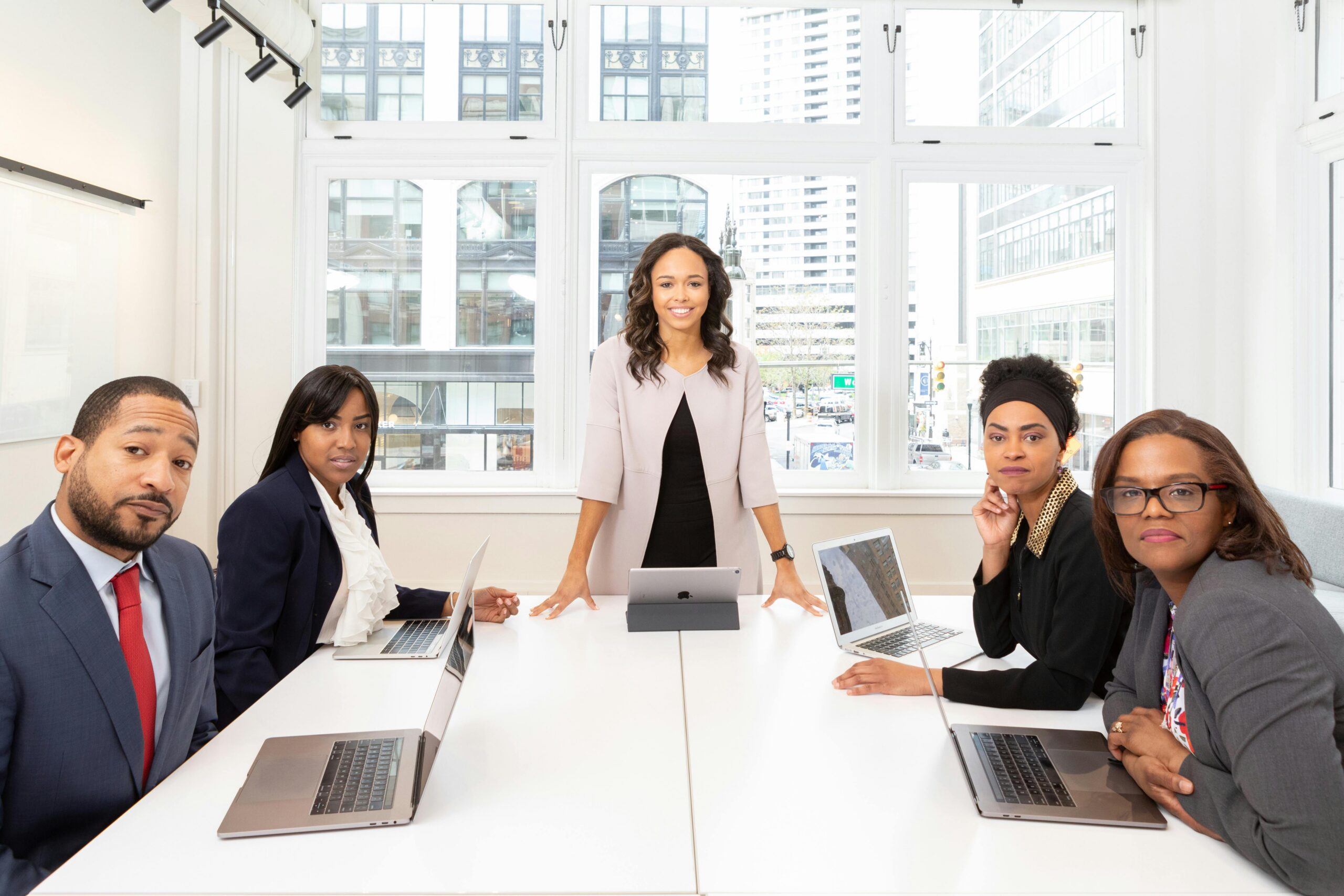
I’m in Philadelphia, PA as I write this, watching the rain fall outside and enjoying getting to know another iconic city in the United States.
I’m here to work with a group of high powered professionals who are wanting to serve and change the world in all the ways that I get fired up about – equity, inclusion, accessibility, belonging, shared humanity – and as I was preparing for a presentation I’ll be giving I wanted to share something that I recently learned with all of you, too.
You know how some people in the world don’t believe that we should adjust or adapt to support the needs of marginalized or historically oppressed people – especially if they are a relatively smaller segment of the larger population?
Well, if you aren’t familiar with the Curb Cut Effect, I have a little gem for you: It really brings home to me how a design feature intended to help a particular group of people ends up benefiting a much wider range of individuals.
Initially, “curb cuts” (the miniature ramps on sidewalks) were created in California in the 1960s to provide wheelchair users with a safe transition between sidewalks and streets.
However, they quickly became a universal sidewalk feature that turned out to be incredibly helpful for people pushing strollers, using walkers or crutches, riding bicycles or skateboards, and even for those pulling luggage or using wheeled carts. Even individuals with temporary injuries, like a broken leg, found curb cuts to be a valuable aid.
The beauty of the curb cut effect lies in its recognition of the power of inclusive design.
By considering the needs of individuals who are differently abled than we are, we create solutions that actually enhance accessibility and usability for everyone.
A few more examples: Closed captioning was developed for people with hearing loss, but is now used by anyone in a noisy environment, or by people who want to watch a show without disturbing those around them. Text to speech and speech to text features have become universally useful to people multitasking in various ways. Gender neutral bathrooms are a blessing for anyone needing a moment of privacy – for whatever reason.
When we make changes to benefit a marginalized community, we as an entire society benefit. This is the beauty of being “in it together” and in coming to these conversations from a place of shared humanity, empathy and care – and not from our resistance to change simply because something might be working just fine for ourselves.
Small changes in how we do things have a big impact on us collectively, so take a moment today to reflect in your own life:
Where and how do you show up in ways that are as inclusive and accessible to as many people as possible?
If we truly believe in creating a world that works for all people, what shifts in the way you speak, show up, make decisions, listen to others – to name a few – might support you in living even more fully into your own values? I’d love to know: leave a comment below!


3 Responses
I think that this is brilliant, and I am grateful that you shared it. I have many people that i want to share it with. I’ll search to csee if you have posted it on LinkedIn. Blessings on the journey.
I think that this is brilliant, and I am grateful that you shared it. I have many people that i want to share it with. I’ll search to see if you have posted it on LinkedIn so that I can re-post it. Blessings on the journey.
This is awesome Yvette! Thanks for all your good work.