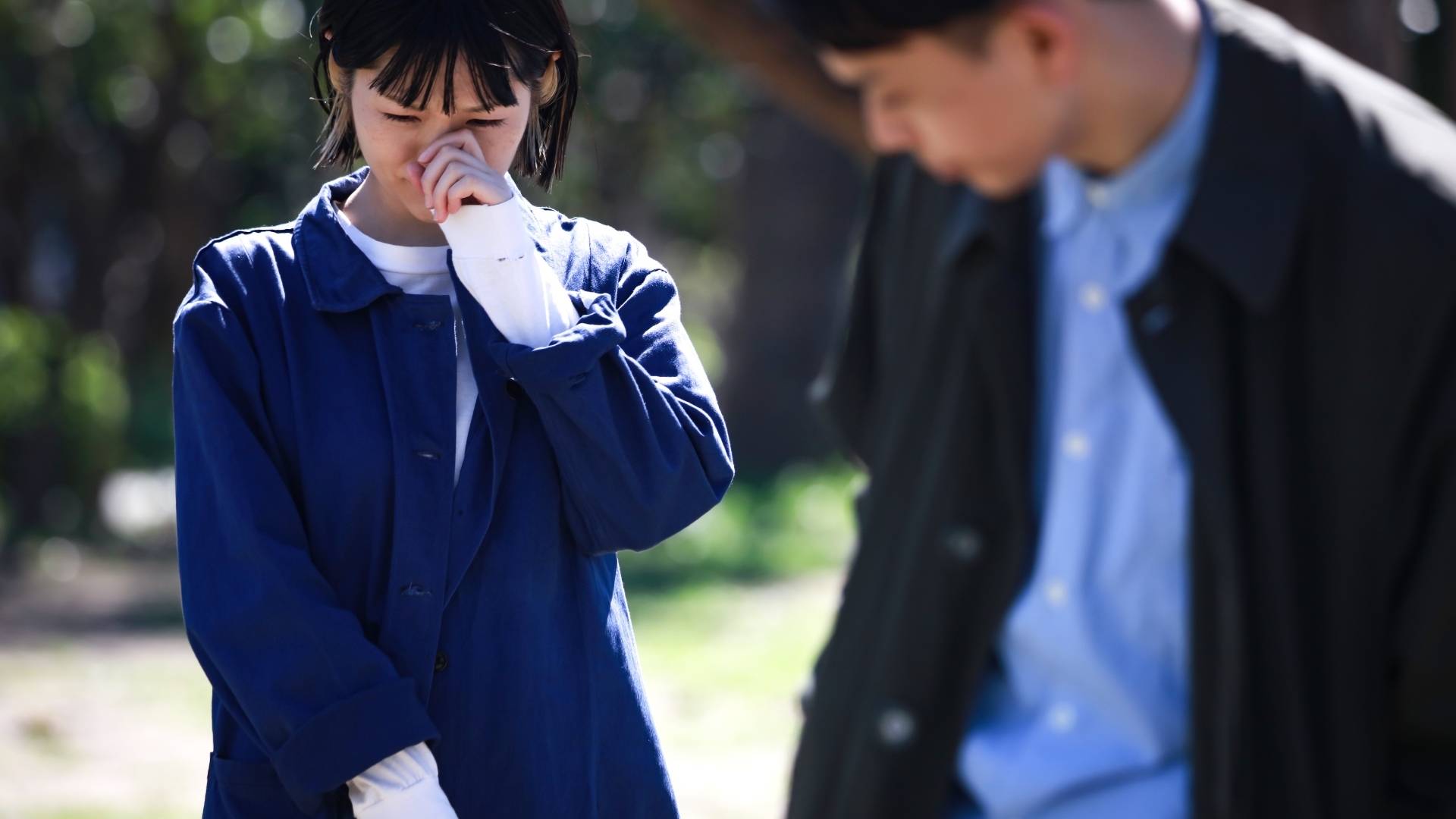

When someone challenges, disagrees with or contradicts you, how do you respond?
-
Does your body tighten-up or gear-up?
-
Do you withdraw, feel shame, get resentful, self-silence?
-
Do you get more activated and engaged and begin to prove your point, bring in evidence, debate and argue the issue?
-
Do you begin avoiding that person or do you start educating and advising them?
One of the keys to personal empowerment and capacity building is understanding where our defenses originate and how to work with them more effectively.
When challenged, most of us default into a mixture of one-down and one-up defenses that we adopted in childhood.
Here’s how it works.
When challenged by young people, some caregivers respond with harsh judgments and rampant criticism, couched as “feedback” designed to elicit compliance and obedience from children.
They have a culturally-inherited (often unexamined) agenda and template about what a “good person” is, and they want to mold children into it so that they can see themselves as “good parents” or “good teachers.”
When they make the mistake of taking challenges, differences or assertions from young people personally, feeling insulted, hurt or offended, then children learn to repress and abandon themselves in service to external, cultural templates.
You may have grown up with parents like this, or, you might be a parent like this.
Either way, children who grow up under these conditions tend to develop a high degree of self-doubt and habits of pleasing and accommodating others to stay in relationship with those caregivers.
They disconnect from their authentic, emerging and passionate selves, believing themselves to be “bad,” have deep-seated feelings of inferiority and often undermine and underestimate themselves.
In contrast, other caregivers respond to young people’s challenges by getting sucked into their own self-doubt and self-judgment and become unable to maintain strong enough boundaries or useful scaffolds for children’s development.
Parents, teachers, family members and other adults who habitually submit to children’s strong feelings and desires, unintentionally create unconscious anger in their children towards these adults for being so weak.
These children grow up with a heightened disrespect for authority and a sense of superiority over others.
Whew. Got all that?
Most of us can find ourselves swinging on the continuum I just outlined:
We repress ourselves, going one-down into inferiority and shame.
Or, we become reactive, going one-up into grandiosity and blame.
When you get tired of those two options, here is a third way:
Try being one-with yourself and others.
-
When we practice staying one-with ourselves and others, we transcend the old duality.
-
We work with differences, instead of resisting them
-
We re-join the human race, knowing we are neither that bad nor that great.
-
We re-humanize ourselves and others.
-
We relate gently and firmly with the fearful and the judgmental, the repressive and reactive parts of ourselves, and live more empowered and more loving lives.
What would it have been like if your primary adult caregivers had responded in a different one-with way when you tried to assert yourself with them?
-
What if they had slowed down and empathized with you?
-
What if they had become curious and interested in all that was arising within you?
-
What if they had taken the time to help you identify your needs and come up with creative strategies that worked for everyone?
-
What if they had been able to set firm, kind and reasonable boundaries that you were able to trust and agree to?
-
What if they had treated you with dignity and respect, modeling and embodying for you what they wanted you to reach for and aspire to yourself?
Every generation has the opportunity to build upon the strength and progress of the generation before them, to examine and discard practices that increase suffering and do harm, and to then take the next step toward our higher potential.
What does that step look like for you?
What do you wish your parents had been able to give you?
Reach for that within yourself. Embody it. Live it. Model it with integrity for our next generation of young people. It begins with your relationships with yourself, and with those closest to you.
-
Slow down and empathize with yourself and others.
-
Become curious and interested in all that arises within you.
-
Identify needs and seek creative, new strategies to meet more people’s needs.
-
Find firm, kind and reasonable agreements that people can trust and buy into.
-
Treat everyone with dignity and respect.
So simple, and yet so hard.
Let’s practice together.